Local Photography Tour Companies and Guides

Sultan Birding is the Wildlife Photography and Birding Tour Companies in Indonesia offer different photography tours and trips catering for the beginner to the photography expert. Contact Sultan Birding, a local Wildlife Photography and Birding Tour Companies and Guides to enquire directly about your next photography journey and birdwatching trip to Indonesia including Sulawesi, West Papua for Birds of Paradise, Halmahera, Flores and Bali. Bird photography offered can either be photography specific.

Birding Tangkoko, Tangkoko Birdwatching, tangkoko birding by Sultan Birding Indonesia


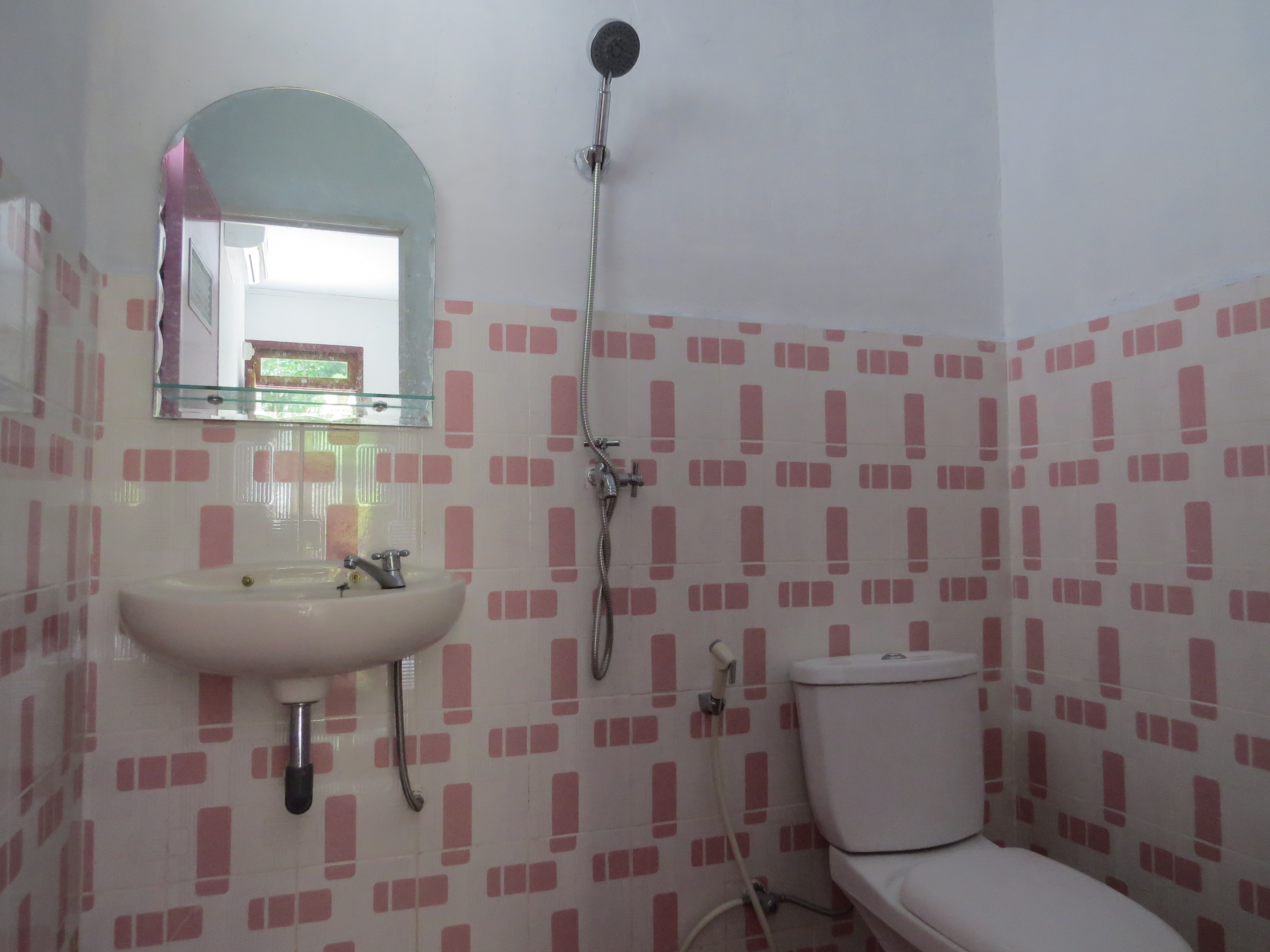
Tangkoko hill cottage established in 2012, this is a very comfortable accommodation near the Tangkoko Nature Reserve, and Clients from Sultan Birding always stay at Tangkoko hill cottage during our birding trip in Tangkoko Park.

Tangkoko Birdwatching with our guests from USA, Birding Tangkoko, Birdwatching Tangkoko and Gunung Mahawu Birdwatching, Sulawesi Birding by Sultan Birding

Tangkoko and Gunung Mahawu Tomohon Birdwatching

Day 1: Manado Arrival

After your arrival in Manado airport Sulawesi, you will be transferred by car to Tangkoko takes 90 minutes to reach the guesthouse where we will stay for 3 nights. Dinner includes.

Days 2 – 3: Tangkoko Nature Reserve
This reserve on the eastern tip of the Minahassa Peninsula is one of Sulawesi’s flagship parks, the excellent lowland jungle and mangrove forest providing superb birding site, The reserve is especially famous for kingfishers, having no less than eight resident species, of which four are endemic but remember that Tangkoko also has much more to offer than its kingfisher though and with the assistance of the skilled our local team, we will be search for Lilac cheeked kingfisher, Green-backed kingfisher, Sulawesi-dwarf kingfisher, Great-billed kingfisher, Red-bellied Pitta, Rudy kingfisher, Common kingfisher, Blue-eared kingfisher, collared kingfisher, Red-Knobbed Hornbill, Sulawesi dwarf Hornbill, Ochre-bellied boobook, Yellow-billed Malkoha, Bay Coucal, Lesser coucal, Sulawesi-Hawk eagle, Sulawesi serpent eagle, Black eagle, Black kite, Sulawesi cicada bird, Rusty-breasted cuckko, Sulawesi
triller, Purple-winged roller, Ashy woodpecker, Sulawesi woodpecker, Sulawesi hanging parrot, Ornate lorikeet, Golden-mantled Racquetail, Blue-backed parrot, Grey-cheeked Green Pigeon, Black-naped Fruit dove, Green Imperial Pigeon, Grey-headed Imperial Pigeon, White-bellied Imperial Pigeon, Silver-tipped Imperial Pigeon, Sulawesi Black Pigeon, Stephan’s Dove, Brown-cuckoo dove, PhilipineScrubfowl, Barred rail, Isabeline Bush hen. During our boat trip to the mangrove we may find other species; White-rumped Cuckoo-shrike, Common kingfisher, Great-billed kingfisher, Pink-necked green Pigeon, Osprey, Great Frigatebirds, Lesser frigatebirds, Pacific reef egret, common dollar bird, Striated heron, Little tern, Sacred and Collared Kingfisher, White-bellied Sea eagle, Brahminy kite and Purple heron. After spending much of the day birding but we have time also to see interesting mammals such as Black-macacanigra, Tarsier spectrum and bear cuscus in Tangkoko Park. Includes breakfast, lunch, and dinner

Day 4: Tangkoko to Tomohon
Morning birding around AMS hill and at 10 am heading to Tomohon for two nights stay. Lunch en-route and afternoon birding on GunungMahawu in Tomohon. Not include Lunch and Dinner

Day 5: Gunung Mahawu is a forested Volcano (1490 meters above sea level),
Inside the crater is a steaming, emerald-green lake ringed with yellow sulphur deposits. From the summit, you can see neighbouring Mount Lokon with its ever-present plume of smoke. On a clear day you can also see both the Sulawesi Sea on the west and to the Maluku sea to the east, GunungMahawu is located near the village of Rurukan where Sir Alfred Wallace lived for a while. Now GunungMahawu is one of the Important Bird and Biodiversity Areas ( IBAs ) in Asia by BirdLife International. In this birding place, we have some interesting Sulawesi endemic species, It is one of the easiest and most reliable sites in Sulawesi for the Scaly-breasted kingfisher- Actenoidesprinceps but please note this star bird of Sulawesi is very skittish and always hide so to spot them still need luck. Bird species at GunungMahawu and Tomohon; Scaly-breasted kingfisher, Lilac-cheeked kingfisher, Green-backed Kingfisher,

Blue-eared Kingfisher, Collared Kingfisher, Sulawesi scops owl, Speckled boobook, Ochre-bellied boobook, Sulawesi babbler, Chestnut-backed Bush-Warbler, Sulawesi Blue-Flycatcher (split from Mangrove Blue-Flycatcher), the rare Rufous-throated Flycatcher, Pale-blue Monarch (split from Black-naped Monarch), Isabelline-bush hen, Barred rail, White-browed Crake, Sulawesi Myzomela, Island Flycatcher, Citrine Flycatcher, Grey-sided Flowerpecker, Yellow-sided Flowerpecker, Crimson-crowned Flowerpecker, Black-fronted White-eye, Mountain white-eye, Streak-headed Dark-eye, Mountain Tailorbird, Purple-winged Roller, Yellow-vented Whistler, Crimson Sunbird, Black Sunbird, Olive-back sunbird, Sooty-headed bulbul, Hair crested drongo, Yellow-billed Malkoha, Ashy Woodpecker, Sulawesi pygmy Woodpecker, Grey Wagtail, Yellow Wagtail, Chestnut Munia, Scaly-breasted munia, Rusty-breasted Cuckoo, Brown-cuckoo dove, superb-fruit dove, Sulawesi black-Pigeon, Sulawesi-hanging parrot, Black Eagle, Black Kite, Osprey, Spotted Kestrel, Peregrine Falcon. During our stay here also we have a great chance of finding Purple swamphen, White-browed crake, White-breasted waterhen, Common Moorhen, Javan pond heron on the Lake Tondano. Not include Lunch and Dinner

Day 6: Morning birding on Gunung Mahawu and then at 10 AM, we will transfer you to Manado airport for your next destination. Include Breakfast.

Important NOTE:
This trip can be extended to Halmahera for Ivory-breasted Pitta, Wallace’s standard winged bird of Paradise, Common Paradise Kingfisher, Sombre Kingfisher, Beach Kingfisher, Variable Dwarf Kingfisher, Azure Kingfisher, and Blue & White Kingfisher. Tangkoko Birdwatching with our guests from USA, Birding Tangkoko, Birdwatching Tangkoko and Gunung Mahawu Birdwatching, Sulawesi Birding by Sultan Birding

Sulawesi birdwatching, Sulawesi birding, Tangkoko birdwatching, Lore Lindu Birdwatching, Birding in Gunung Ambang, Birding gunung Mahawu, Birdwatching Sulawesi

BIRDING IN SULAWESI
Sulawesi is arguably the most complex island in the world, located on the eastern side of Wallace’s Line, in the heart of Wallacea. Much of Sulawesi is mountainous, with the highest peak being Gunung Rantemario at 3,440 m. Sulawesi is an amalgamation of landmasses that converged to form one island only ~10 – 5 million years ago.  Sulawesi continues to accrete additional land from the east; the Banggai Islands, and the Sula Islands and Northern Moluccas.  

Sulawesi is the largest Wallacean landmass. As such, it harbors some of the most ancient endemics of Wallacea. The great majority of Wallacean endemics are relatively young and derived from either Asian or Australo-Papuan stock. But Sulawesi is home to a number of unique Wallacean species and/or radiations with uncertain or obscure affinities to either side and even though their closest relatives are increasingly being revealed through DNA, it is becoming clear that the last common ancestor connecting them to other birds lived many million years ago. Some of these ancient Sulawesi forms include HylocitreaMalia, and Heinrichia amongst others.   

Why are so many Sulawesi birds endemic? The question is answered in part by the age and isolation of the island. The Sulawesi region includes a number of satellite islands of varying character. Some of them are part of the modern Sulawesi Shelf and are frequently connected with the Sulawesi mainland except during brief interglacial maximum such us now. These landmasses include the sizeable islands of Buton and Muna at the south-eastern tip of Sulawesi and are of lesser biogeographic interest because of their lack of endemism. Another group of satellites, the Togian Islands, are sandwiched between the northern and eastern Sulawesi peninsulas. They have surprising elements of endemic bird species given their biogeographic connection to the eastern peninsula through a narrow but distinct Pleistocene land bridge.  

Some of the highest levels of endemism in the archipelago are found in Sulawesi. Birders will find Sulawesi a real Mecca, with 112 Sulawesi’s endemic bird to go for. Sulawesi is the highest levels of the endemism in Indonesia, of 421 bird species are known from the island, approximately 88 (27%) are found nowhere else. Fourteen genera are so unusual that they are considered unique to Sulawesi. Sulawesi has some really dazzling birds. Just a perusal of the names is enough to get the adrenalin going. Purple-bearded Bee-eater, Lilac-cheeked Kingfisher, Great Shortwing and Fiery-browed Myna. An assortment of unusual mammals, the strange Babirusa or “pig deer”, the rarely seen Anoa (a dwarf buffalo) and four unique species of macaque add to the excitement of being in the forest. Birders will gravitate towards the northern peninsula and central Sulawesi, where the largest areas of rain forest are found, and in particular to the huge national parks of Lore Lindu, 50 km south of the provincial capital, Palu, Dumoga Bone, on the “northern neck”, and the much smaller reserve of Tangkoko and Tomohon, on the tip of the Minahasa peninsula.

:
Bulwer’s Petrel, Streaked Shearwater, Wedge-tailed Shearwater, Wilson’s Storm-petrel, Black-throated Little Grebe, Red-throated Little Grebe, White-tailed tropicbird, Great Frigatebird, Lesser Frigatebird, Christmas Frigatebird, Little Black Cormorant, Little Pied Cormorant, Oriental Darter, Australian pelican, Grey heron, Great-billed heron, Purple heron, Great heron, Pied heron, Intermediate egret, White-faced heron, little egret, Chinese egret, Reef egret, Cattle egret, Javan pond heron, Striated heron, Black-crowned Night-heron, Rufous night heron, Japanese night heron, Malayan night heron, Yellow bittern, Schrenck bittern, Cinamon bittern, Black bittern, Milky stork, Woolly-necked Stork, Glossy ibis, Australia ibis, Black-headed ibis, Royal Spoonbill, Sulawesi serpent eagle, Sulawesi Goshawk, Spot tailed Goshawk, Small Sparrow hawk, Vinous breasted sparrow hawk, Sulawesi Hawk-eagle, Spotted Harrier, Osprey, Oriental honey-buzzard, Barred Honey-buzzard, Black-winged kite, Black kite, Brahminy kite, White-bellied sea eagle, Lesser fish eagle, Grey-headed fish eagle, Rufous-winged Buzzard, Grey-faced buzzard, Black eagle, Rufous-bellied eagle, Chinese goshawk, Japanese sparrow hawk, Brown goshawk, Jerdon’s baza, Pacific baza, Bat Hawk, Oriental Hobby, Peregrine falcon, Spotted kestrel, Spotted Whistling-duck, Wandering Whistling-duck, Green Pygmy Goose, Cotton pygmy Goose, Eurasian Wigeon, Sunda Teal, Pacific Black Duck, Garganey, Australian Pochard, Tufted Duck, Maleo, Sula scrubfowl, Philippine scrubfowl, Orange-footed scrub fowl, Red-jungle fowl, Blue-breasted quail, Red-backed Buton-quail, Barred Buton quail, Isabelline Bush Hen, Blue-faced rail, Snoring rail, Buff-banded rail, Barred rail, Common bush hen, White-breasted waterhen, Water cock, Dusky moorhen, Common moorhen, Purple swamphen, Slaty-breasted rail, Slaty legged Crake, Baillon’s crake, Rudy breasted crake, Band-bellied crake, White-browed crake, Comb-crested Jacana, Grey-headed Lapwing, Grey Plover, Pacific Golden Plover, Little Ringed Plover, Kentish Plover, Malaysian Plover, Lesser Sand-Plover, Greater Sand-plover, Oriental Plover, Ruddy Turnstone, Common Redshank, Marsh Sandpiper, Common greenshank, Green Sandpiper, Wood Sandpiper, Terek Sandpiper, Common Sandpiper, Grey-tailed Tattler, Ruff, Great Knot, Red Knot, Sanderling, Rufous-necked Stint, Long-toed Stint, Sharp-tailed Sandpiper, Curlew Sandpiper, Broad-billed Sandpiper, Red-necked Phalarope, Black-winged stilt, Little Curlew, Whimbrel, Far Eastern Curlew, Black-tailed Godwit, Bar-tailed Godwit, Asian Dowitcher, Pintail Snipe, Swinhoe’s Snipe, Sulawesi Woodcock, Beach Thick-knee, Australian Pratincole, Oriental Pratincole, Pomarine Jaeger, Arctic Jaeger, Common Black-headed Gull, Whiskered Tern, White-winged Tern, Gull-billed Tern, Common Tern, Black-naped Tern, Bridled Tern, Little tern, Great Crested Tern, Lesser Crested Tern, Brown Noddy, Black Noddy, Sulawesi black pigeon, Sulawesi ground dove, Red-eared Fruit-dove, Maroon chinned Fruit-dove, White-bellied Imperial Pigeon, Grey-headed Imperial pigeon, Silver tipped Imperial pigeon, Sombre pigeon, Grey-cheeked Green Pigeon, Green Imperial Pigeon, Grey Imperial Pigeon, Pied Imperial Pigeon, Superb fruit dove, Black-naped Fruit-dove, Pink-necked Green-pigeon, Emerald dove, Stephan’s dove, Blue-tailed Imperial pigeon, Brown Cuckoo-dove, Barred dove, Zebra dove, Spotted dove, Metalic pigeon, Rock pigeon, Nicobar pigeon, Red and blue lorry, Ornate Lorikeet, Yellow and green Lorikeet, Yellow-breasted Racquet-tail, Golden-mantled Racquet-tail, Large Sulawesi Hanging-parrot, Sangihe Hanging-parrot, Small Sulawesi hanging-parrot, Blue-backed parrot, Blue-naped parrot, Great-billed Parrot, Sulawesi Hawk-cuckoo, Black-billed Koel, Yellow-billed Malkoha, Bay Coucal, Lesser coucal, Drongo Cuckoo, Large Hawk-cuckoo, Rusty-breasted Cuckoo, Hodgson’s Hawk-cuckoo, Oriental Cuckoo, Plaintive Cuckoo, Brush cuckoo, Gould’s Bronze-Cuckoo, Sulawesi Masked Owl, Minahasa Masked Owl, Taliabu Masked Owl, Sulawesi Scops Owl, Ochre-bellied Boobook, Speckled Boobook, Cinnabar Boobook, Heinrich’s Nightjar, Sulawesi Nightjar, Great-eared Nightjar, Savana Nightjar, Edible Nest Swiftlet, Uniform Swiftlet, Moluccan Swiftlet, Glossy Swiftlet, White-throated Needletail, Purple Needletail, Fort-tailed Swift, Little Swift, Asian Palm Swift, Grey Rumped tree-swift, Green-backed kingfisher, Scaly-breasted kingfisher, Lilac cheeked Kingfisher, Great-billed Kingfisher, Sulawesi Dwarf Kingfisher, Ruddy Kingfisher, Blue-eared Kingfisher, Common Kingfisher, Sacred Kingfisher, Talaud Kingfisher, Collared Kingfisher, Purple-bearded Bee-eater, Blue-tailed Bee-eater, Rainbow Bee-eater, Purple-winged roller, Common dollar bird, Red-knobbed Hornbill, Sulawesi dwarf hornbill, Ashy Woodpecker, Sulawesi Pygmy Woodpecker, Sulawesi  Pitta, Hooded pitta, Elegant pitta, Blue-winged pitta, Sula pitta, Talaud Pitta, Siao Pitta, Sangihe Pitta, Barn Swallow, Pacific Swallow, Yellow Wagtail, Grey Wagtail, White-rumped cuckoo-shrike, Pied cuckoo shrike, Caeculean-cuckoo shrike, Slaty Cuckoo-shrike, Pygmy Cuckoo-shrike, Black-faced cuckoo-shrike, Common Cicadabird, Sula cicada bird, Sulawesi cicada bird, Sulawesi triller, White-shouldered triller, Ashy minivet, Sooty-headed bulbul, Golden bulbul, Sulawesi drongo, Hairs crested drongo, Black-naped oriole, Slender-billed crow, Bangai crow, Piping Crow, Sulawesi babbler, Malia, Great Shortwing, Pied bush chat, Sangihe Shike Thrush, Geomalia, Blue necked Thrush, Red-backed Thrush, Sulawesi Thrush, Island Thrush, Eye-Browed Thrush, Fly-eater, Rufous-sided gerygone, Chesnut backed bush warbler, Middendorff’s Warbler, Gray’s Warbler, Clamorous reed-warbler, Oriental reed-warbler, Tawny Grassbird, Zitting Cisticola, Golden-headed cisticola, Mountain tailorbird, Arctic leaf warbler, Sulawesi leaf warbler, Everett white-eye, Mountain white-eye, Lemon-bellied White-eye, Pale-bellied White-eye, Lemon-throated White-eye, Black-fronted White-eye, Streak-headed Dark-eye, Henna-tailed Rhinomyias, Grey-streaked Flycatcher, Asian Brown Flycatcher, Mugimaki Flycatcher, Snowy-browed Flycatcher, Rufous-throated Flycatcher, Lompobattang Flycatcher, little pied flycatcher, Island Flycatcher, Blue-fronted  Flycatcher, Matina Blue Flycatcher, Sulawesi Blue Flycatcher, Citrine Flycatcher, Sulawesi Flycatcher, Cerulean Paradise Flycatcher, Philippine Paradise Flycatcher, Black-naped Monarch, Island Monarch, White-tipped Monarch, Broad-billed Flycatcher, Rusty-bellied Fantail, Rufous Fantail, Hylocitrea/Yellow-flanked Whistler, Maroon-backed Whistler, Sulphur-bellied Whistler, Common golden Whistler, Drab Whistler, White-breasted wood Swallow, Ivory-backed wood Swallow, Tiger Shrike, Brwon Shrike, White-necked Myna, Bare-eyed Myna, Fiery-browed Myna, Grosbeak Myna, Moluccan Starling, Short-tailed Starling, Asian Glossy Starling, Metallic starling, Chestnut-cheeked Starling, White-vented Myna, Short-crested Myna, Helmeted Myna, Dark-eared Myza, White-eared Myza, Sulawesi Myzomela, Dark-eared Myza, White-eared Myza, Brown-throated sunbird, Black Sunbird, Olive-backed Sunbird, Elegant sunbird, Crimson Sunbird, Yellow-sided Flowerpecker, Crimson-CrowneFlowerpecker, Grey-sided Flowerpecker, Chestnut Munia, Scaly-breasted Munia, Black-faced Munia, Java Sparrow, Bluefaced parrot finch, Tawny-breasted parrot finch, Tree sparrow, Pale-headed Munia, Sunda serin. 


SULTAN BIRDING TOURS COMPANY
We are a local birding tour operator who has been organized custom birding tours for individuals and private small groups of birdwatchers and bird photographers from around the world to Sulawesi of Indonesia. Our services are ranged from medium to high category in accommodation and meals depending on your needs. We provide Sulawesi birding packages including all services from your arrival until your departure from Sulawesi of Indonesia. We help you to set the ideal itinerary considering your main requirements as well as the birds you want to watch during your birding trip and bird-watching tours in Sulawesi. We also provide all land transportation and a knowledgeable birding guide who will take you to the specific birding site for you to watch or take a picture of your target birds. Let us know the interests of your birding journey to Sulawesi, and we will be glad to advise and assist you in planning the itinerary that suits you better to fulfill your expectations. For the Sulawesi birding tour, we can start from Makassar in South Sulawesi and end up in Manado in the north of Sulawesi. The trip also can start from Manado and end up in Makassar South of Sulawesi and in Palu of Central Sulawesi.


Interested to do the trip? Please do not hesitate to contact us! It will be our happiness to help you arrange your birding trip to Sulawesi. 

Sulawesi Birding for MALEO (Macrocephalon maleo) by Sultan Birding Indonesia


Indonesia is a mega biodiversity country, home to various animal and plant species, which is hypothetically divided between the Wallacea and Weber lines. These two lines separate the geographical areas of Asian and Australasian animals. The western part of this line is related to Asian species, and to the east is mostly related to Australian species and the intermediate region between them. One of the diversity of the animal species typical of the Wallacea ecosystem is the Maleo bird (Macrocephalon maleo).

Maleo is the most unusual bird in Sulawesi. This endemic bird is a member of a small family of so-called incubator birds, the Megapodidae, which are of Australian origin. The Maleo size 55 – 60 cm, it is about the size of a domestic hen (1,6 kg) but its stylish black-and-salmon plumage and cocked tail give the bird a more classy appearance. Adult Maleo has distinctive brown-black upperparts and pink-white underparts, bill and bare facial skin variably pink and yellow, horny casque on the crown.

Maleo does not lay their eggs in a nest or incubate them with body heat. Instead, they bury them near hot springs, volcanic vents or along exposed beaches where they are hatched by the sun, or by geothermal heat. The Megapodes and the Egyptian Plover are the only birds in the world that do not use their own body heat for incubation.  
Maleo nests in the open sandy areas, areas around the coast of the volcano, and areas warm from geothermal heat to hatch their large eggs, reaching five times bigger than chicken eggs. After hatching, the juvenile will dig his way out of the ground and hide in the forest. During the egg-laying season, males and females arrive at communal nesting grounds, generally at night, and take turns the following morning digging deep holes in which the female will deposit an egg every 10 days or so. After the pair covers their eggs, they return to the forest and have nothing more to do with their developing chicks. Hatching takes place after 3 months and it is probably the most challenging event of a Maleo’s life. Maleo can reach the age of 25 – 30 years and reach adulthood productivity after 4 years.

Maleos are communal nesters with hundreds of breeding pairs digging at one site. Experts estimate that there are 50 active sites in Sulawesi and most of these are found in Central and North Sulawesi. Nesting grounds at Bogani Nani Wartabone National Park is among several active sites. 
The Maleo is now Sulawesi’s most endangered bird species. Egg hunters, however, continue to undermine conservation efforts and the future survival of this unique Sulawesi bird remains tenuous. 


Feel interested to see this classy and stylish bird with its beauty and uniqueness? Please do not hesitate to contact us! Sultan Birding Tours Indonesia offers a range of private and small group birding tours throughout Sulawesi cover Birding Sulawesi, Birdwatching Sulawesi, Sulawesi Birding, Sulawesi Birdwatching, Tangkoko birdwatching, Birding Tangkoko, Birding Lore Lindu National Park, Gunung Ambang Birdwatching, Dumoga bone Park Birdwatching and birding in Gunung Mahawu. 


TARSIER (TARSIUS SPECTRUM) Tangkoko Park, Tangkoko Birding, Birdwatching Tangkoko, Tangkoko Mammal's

TARSIER / TARSIUS

One of the most remarkable sounds of the forest is produced by the diminutive Spectral tarsier. Their ear-piercing cries defy the size of the animal; adult tarsier weight little more than 100 grams, placing them among the world’s smallest primates. The enormous size of the eyes, sensitive ears that move independently of one another, large needle-sharp teeth, and an extraordinary capacity to rotate their head nearly 180
°,
indicate the tarsier’s nocturnal, predatory habits and impart a gremlin-like character. Hind limbs, twice the length of their head and body combined, provide the power behind their famous leaps. The second and third does are equipped with long, decurved talons, called toilet claws, used for grooming while the other toes and the long, slender fingers bear ordinary nails.
Tarsier is considered to be primitive primates and biologist categorizes them somewhere the monkeys and the prosimians, another primarily nocturnal group of primates that includes the bush-babies of Africa and the lemurs of Madagascar. As a group, tarsiers are unusual in their distribution because they are found on both sides of Wallace’s Line, the artificial boundary that marks the division between the Eurasian and Australasian fauna. This is an indication of the tarsiers’ long residence in the region, possibly going back more than 40 million years. The T. spectrum, however, is restricted to Sulawesi and small adjacent islands.

Tarsiers are territorial, defending areas from neighboring groups and possible intruders. Territorial boundaries are marked with urine and occupancy is announced every morning and evening as males and females sing their hunting duets. Although most territories are defended by a monogamous pair and their offspring, there is considerable variation in group size and composition, with some groups containing more than one breeding adult female. Sleeping trees are central to the life of a tarsier and all tarsier territories contain at least one sleeping site. Bamboo thickets, vines tangles, and hollow trunks are used as sleeping sites but the most favored spots are the intertwined roots of large strangler figs.

After leaving a sleeping site, typically 10-20 minutes after sunset, the group spends a few minutes interacting before members leap off in different directions. Males use an area as large as 4 ha while females occupy much smaller ranges of around 1-2 ha.

In North Sulawesi, tarsier births tend to occur in May and November. Tarsiers give birth to a single, fully furred and open-eyed young after 180 days gestation. At birth, the infant weights almost one-quarter as much as its mother and for several weeks are carried around in the mother’s mouth like a kitten. While hunting, the female often “parks” her young on a branch communicating with soft clicks and whistles.

Tarsiers are insectivorous and spend over 50% of their night chasing insects. They take arthropods including ants, beetles, moths, and cockroaches. Prey is caught by leaping at it and pinning it down or trapping it in the cage of their long, slender fingers. An occasional lizard or gecko may be taken but this is rare. The meal of choice is most likely a caterpillar or grasshopper.

North Sulawesi is one of the best places in the world to see tarsiers. Although rare outside parks and reserves, because of habitat loss and being hunted for pets, they are abundant within protected areas where they appear to find a safe sanctuary. In the Tangkoko Nature Reserve, tarsiers occur at densities high as 82/km².  Do you have an interest in this beautiful primate? We organize a custom trip to watch or photograph this wonderful Tarsier with other wildlife in Sulawesi and North Sulawesi. Please do not hesitate to contact us and join us to capture this unique primate in Tangkoko. Our team will be 24 hours ready to receive your call or your email. Our services are ranged from medium to high category in lodging and meals depending on your needs.


CRESTED BLACK MACAQUES (Macaca nigra) in North Sulawesi


There are more species of macaques and tarsiers on Sulawesi than anywhere else in the world. Seven macaque species and three tarsiers found only in Sulawesi inhabit the various sprawling arms and legs of the island. In North Sulawesi, there are one species of tarsier and three species of macaques. The Crested black macaque (Macaca nigra) is found from the tip of the peninsula in the east to Kotamobagu in the west. The Dumoga-Bone macaque (Macaca nigrescens), occurs in the central region primarily within the Bogani Nani Wartabone National Park. The Heck’s macaque (Macaca hecki), is distributed from the west of the park into Central Sulawesi.
Crested black macaques are among the largest of the Sulawesi macaques, a typical adult female weight around 7 kilograms, while an adult male may reach 11 kilograms. Crested black macaques, as their name implies, sport a long tuft of hair on the top of their head.

Crested black macaques live in large groups of 30 – 100 animals. The groups are centered around female matriarchies, with females generally outnumbering males four to one. Groups spend nearly most of their time foraging for fruits, which comprise nearly 70% of their diets. Groups may move from as much as 4 km to as little as 1.5 km in a single day. Each group has a core area in which it spends most of its time, and groups have preferred sleeping sites. Crested black macaques have highly organized and complex social behavior. Adult males form dominance hierarchies, in which the largest, most dominant males get preferential access to food and mates. Adult females do most of the grooming, which allows the monkey to remove parasites from their fir and also helps the females strengthen social bonds with other group members.

The Tangkoko Nature Reserve is one of the last strongholds for the dwindling population of black macaques in North Sulawesi. There are about 3000 monkeys remaining in the reserve. Macaques are hunted for food and pets throughout the year but they are particularly vulnerable in December when they are sought for traditional Minahasan Christmas dinners. Like many of the large mammals in Tangkoko, Crested black macaques are endangered and if current trends continue they may face extinction within the next 25 years.


Do you want to see these wonderful and unique mammals? Please do not hesitate to contact us. We can arrange and help you to set the ideal itinerary considering your main requirements as well as the mammals, birds or other wildlife in North Sulawesi. 


Malagufuk Birding by Sultan Birding Tours


Northern Cassowary
Since January 2016, the Malagufuk ecotourism forest has been visited by hundreds of foreign tourists to see the Bird of Paradise. Malagufuk ecotourism forest, still natural, very beautiful, and there are still many Cenderawasih birds and other species of birds and animals that live in it. As a birding tour company that focuses on birds, we are very proud because the local indigenous people protect the forest from illegal logging, the forest is believed to be able to guarantee a decent life now and for generations to come. The Malagufuk indigenous people maintain and preserve the ecotourism forest because they earn income if the forest is visited by tourists. 


Key Species in Malagufuk:
New Guinea Bronzewing, Hook-billed kingfisher, Yellow-billed kingfisher, Blue-black Kingfisher, Magnificent Riflebird, Red-breasted Paradise Kingfisher, Black Lory, Papuan Nightjar,  the King bird-of-paradise, Lesser bird of paradise and Twelve-wired bird of paradise, Large Fig-Parrot, Northern Cassowary, Western Crowned-Pigeon, Blue Jewel-babbler, Thick-billed Ground-Pigeon, Green –naped Pheasant Pigeon.


Kingfisher List Hunter (11 - 27 October 2019)


Our trip report this time will discuss the trip with one of our special guests Mr. Arman Abdul Fatah from Singapore. He is a client who has been doing bird photography with us since 2008 until now. We have done bird photography in Sulawesi, Tangkoko and also the Arfak mountains in 2017. In 2019 he finally decided to take a trip on the mainland of West Papua again. Our trip this time lasted 17 days. A long day to explore birds in West Papua. Our destination for bird photography this time starts from Sorong and then goes to Malagufuk, Salemkai, Tambrauw, Waigeo (Raja Ampat) and Biak.

Upon arrival in Sorong, we directly check-in at the local hotel to stay overnight. Tomorrow morning we will be headed straight to Malagufuk as our first destination and then move to Tambrauw and Salemkai. We stay for 2 nights in Malagufuk village, and 1 night in Tambrauw. We are not staying in Salemkai, we just stop in for a while during our way from Malagufuk to Tambrauw.  The guesthouse both in Malagufuk and Tambrauw are still basic accommodation but the birds were wonderful. Despite how hard the way to get into Malagufuk where we have to drive from Sorong about 1 hour to the stop point and then continue to walk from there about 3 hours with leech everywhere but the birds we meet made us speechless. Along our days doing birding in Malagufuk, Salemkai and Tambrauw we were blessed with how easy we capture the pictures of Red-breasted Paradise Kingfisher, Blue-black Kingfisher, Papuan Kingfisher, Northern Cassowary (fed by the local community), King Bird of Paradise, Lesser Bird of Paradise, Magnificent Riflebird, Blyth's Hornbill and Yellow-billed Kingfisher on our camera lens. There are so many birds we found along our way but unfortunately, we didn't catch any photos of them. 

After our trip to Malagufuk, Salemkai and Tambrauw finally we headed back to Sorong overnight again at the hotel. Such a nice combination after the long way of the trip into 3 villages we get back safely to the city and stay in a comfortable hotel with hot water and a soft bed. Our trip continued to the land of Wilson's Bird of Paradise and Red Bird of Paradise. We had our boat at 09.00 am from Sorong to Waigeo island. Sailing for 2 hours finally we arrived in Waigeo at 11.00 and directly check in to Raja Ampat Dive Resort. We stayed and do birding there for 3 days. Along our days in Raja Ampat, we had a chance to photograph our main bird targets such as Wilson's BoP, Red BoP, Common Paradise Kingfisher, Beach kingfisher, Hook-billed Kingfisher, and Papuan Frogmouth. Spending our time at a comfortable resort with our birds' target fulfilled made our tour on Waigeo island ended very satisfyingly. From Waigeo we headed back to Sorong by boat again. In Sorong, we stay overnight again for our flight to Jayapura tomorrow for our next birding schedule.


Our flight from Sorong to Jayapura was at 11.10 with Lion Air (JT796) and arrived in Jayapura at 13.10. From Sentani Airport we headed directly to Nimbokrang with a drive for 2 hours. Our main birds target in Nimbokrang such as King BoP, Lesser BoP and also Twelve-wired BoP. Other birds also luckily captured by our lenses like Yellow-billed Kingfisher, Rufous-bellied Kookaburra, Rainbow Beater and Papuan Hornbill. Well, it's not much bird but we ended the trip in Nimbokrang satisfyingly.


Now we move to the Biak islands. Our flight from Jayapura to Biak at 07.55 am with Garuda Air (GA651) and arrived in Biak at 09.05 am. We stayed in the Asana Biak Hotel for 3 days. During our birding schedule in Biak, we found Biak Paradise Kingfisher, Northern Cassowary, Biak Scops-owl and Biak Monarch. At that time we waited several days for Biak Hooded Pitta to appear but unfortunately, we had not been given the opportunity to see him. well, that's natural life. We cannot predict and regulate the lives of birds in their habitat. On our next trip, Biak Hooded Pitta is on the first list to see.


It's a long journey but finally, our trip comes to an end. During our 17 days trip to West Papua, there are many things happened, changing schedules and also bad weather where almost every day in Waigeo was raining. But after all, we proudly said that our trip to West Papua was successful. Mr. Arman had a chance to complete his Kingfisher collection up to 49. We want to make it to 50 with Numfor Paradise Kingfisher but unfortunately, we did not have a chance to do that because of the time. Well, next time Numfor Paradise Kingfisher is one of our main targets.


Mr. Arman had his flight back to Singapore from Biak with Garuda Air (GA651) at 10.50 am and safely arrived in his hometown at 23.30 pm. That's the end of our trip report this time. With good preparation and wonderful teamwork, our trip with Mr. Arman ended successfully.

If you are interested to do birding or bird photography in West Papua do not hesitate to contact us. We are happily welcome you here to enjoy and experience the joy of hunting birds of paradise pictures.

WEST PAPUA TRIP
BIRDING SORONG
BIRDING MALAGUFUK
BIRDING RAJA AMPAT
BIRDING ARFAK
BIRDING NIMBOKRANG
BIRDING BIAK


Let's Get to know Pesquet's Parrot from Wamena

Female Pesquet's Parrot
Summary
Newly erected family containing this species and the Madagascan/Mascarene Coracopsis black parrots, split from parrots on basis of genetic differences denoting great antiquity. Broad-winged and large-headed.
The Pesquet's Parrot (Psittrichas fulgidus), also known as the vulturine parrot (leading to easy confusion with pyrilia vulturina from Brazil), is the only member of its genus, and its genus is the only member of the subfamily Psittrichadinae. It is endemic to hill and rainforest in New Guinea.


Endemic to New Guinea. Monotypic. Occurs from lowlands to hills through NG, being more widespread in hills at 400-1200 m, but locally to 1800 m. Declining, and classified as Vulnerable owing to hunting pressure for skins, which are widely used for ceremonial purposes in highland, also local losses due to logging.


The Pesquet's Parrot is a large parrot with a total length of approximately 46 cm (18 in) and a weight of 680-800 g (24-28 oz). Its plume is black, with greyish scaling to the chest, and a red belly, uppertail coverts and wing-panels. The adult male has a red spot behind the eye, which is not seen in the adult female. Compared to most other parrots it appears unusually small-headed, in part due to the bare black facial skin and the relatively long, hooked bill. This rather vulture-like profile is the reason behind its alternative common-name.


Behaviour
Distinctive flight, with three or so flaps followed by a glide. Seen singly, in pairs or in a small flocks, rarely up to 20 birds in more remote areas. Vocal characteristic loud, raucous tearing repetitive series, vaguely reminiscent of cockatoo but louder, more raspy, often given by several birds together. They highly specialised frugivore, feeding almost exclusively on a few species of figs. Flower and nectar have also been reported. At least in parts of its range, it is seasonally nomadic in response to the availability of fruits. The bare part of the head is presumably an adaptation to avoid feather-matting from sticky fruits. Little known about its breeding habits in the wild, but the two eggs are laid in a nest in a large, hollow tree.


Well, that is a little information about Pesquet's Parrot. Hope you like it and the information is useful for you. If you have interest to see this bird do not hesitate to contact us on:
https://www.sultan-birding.com
info@sultan-birding.com
sultanbirdingtours@gmail.com
+62 812 4404 882
+62 812 4097 5051


Sulawesi Birdwatching Tour

Sulawesi Birding Tours Guarantee Departure 16 June 2025 – 30 June 2025 (Space Available) 8 July 2025 – 22 July 2025 (Space Available) 9 Augu...